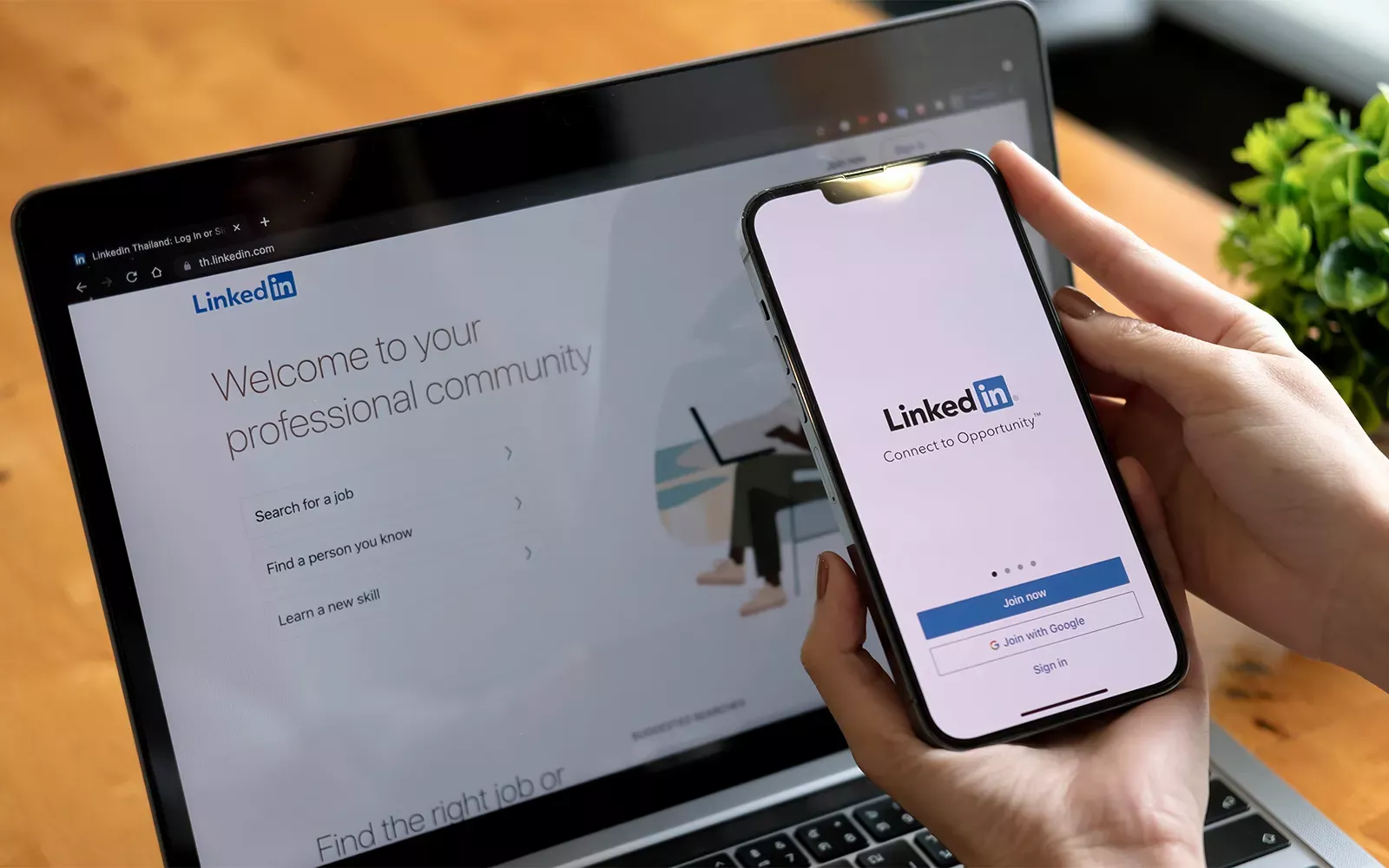
Your LinkedIn bio is no longer just a place to summarize your career.
In 2026, it's one of the most important pieces of professional content you own.
Before a recruiter reviews your experience, before a potential client books a call, and before a new connection decides whether to follow you, they often read your About section. In many cases, that short introduction determines whether someone keeps exploring your profile or moves on to the next candidate.
That's why learning how to write a LinkedIn bio is about much more than writing skills. It's about positioning yourself in a way that makes your expertise clear, memorable, and relevant to the people you want to attract.
Why Most LinkedIn Bios Fail
The biggest mistake professionals make is treating LinkedIn like an online resume.
A resume explains what you've done.
A LinkedIn bio should explain why it matters.
Many profiles start with generic statements like:
"Experienced professional with a demonstrated history of success."
The problem isn't that these statements are incorrect. The problem is that they could apply to thousands of other people.
A strong LinkedIn bio should help readers quickly understand your unique expertise, your perspective, and the value you bring.
If someone can replace your name with another professional's name and the bio still makes sense, it's probably too generic.
How to Write a LinkedIn Bio That People Actually Remember
Most visitors spend only a few seconds scanning a profile.
They aren't looking for your entire career story. They're looking for signals that tell them whether you're relevant to their needs.
The most effective LinkedIn bios focus on three things:
What you do
Who you help
What outcomes you create
For example, compare these two introductions:
"I'm a digital marketing professional with eight years of experience."
Versus:
"I help SaaS companies turn organic traffic into qualified pipeline through SEO and content strategy."
The second example immediately communicates value. Readers understand both the specialization and the result.
That's the type of clarity modern LinkedIn profiles need.
Start With Your Professional Positioning
One of the easiest ways to improve your LinkedIn bio is to stop leading with job titles.
Job titles provide context, but they rarely differentiate you.
Instead, focus on your professional positioning.
Ask yourself:
What problem do I solve?
Who benefits from my work?
What makes my approach different?
The answers to these questions often create a stronger opening than any job title ever could.
People remember specialists and problem-solvers far more easily than they remember titles.
Show Expertise Through Results, Not Buzzwords
Many LinkedIn bios rely heavily on words like:
Passionate
Innovative
Strategic
Results-driven
Dedicated
These terms aren't necessarily wrong, but they rarely make an impression.
Readers trust evidence more than adjectives.
Rather than saying you're experienced, demonstrate experience through outcomes.
Instead of writing:
"Results-driven marketing leader."
Try:
"Helped scale organic traffic from 25,000 to over 300,000 monthly visitors across multiple SaaS brands."
Specific examples create credibility because they're tangible.
The more concrete your achievements, the easier it becomes for others to trust your expertise.
LinkedIn SEO: How to Get Found by Recruiters and Clients
Understanding how to write a LinkedIn bio also means understanding how people discover profiles.
LinkedIn functions as a search engine. Recruiters, hiring managers, and potential clients regularly search using industry-specific keywords.
That's why keyword optimization still matters.
The key is to include relevant terms naturally throughout your profile.
For example, if you're a:
Product Manager
SEO Consultant
Software Engineer
UX Designer
Financial Advisor
those phrases should appear within your bio where they genuinely fit the context.
Avoid forcing keywords into every paragraph. Modern search algorithms are increasingly focused on relevance and readability.
Write for people first and search engines second.
Make Your Bio Easy to Scan
Even the best-written bio won't perform well if it's difficult to read.
Most LinkedIn users browse on mobile devices, where large text blocks feel overwhelming.
Short paragraphs create a better reading experience.
Strategic spacing makes important points stand out.
Simple formatting encourages readers to continue scrolling.
Think about how people consume content online. They scan before they commit.
Your bio should support that behavior rather than fight against it.
End With a Clear Next Step
A surprising number of LinkedIn profiles never tell visitors what to do next.
After reading your bio, someone may want to:
Connect with you
Explore your portfolio
Read your content
Schedule a consultation
Discuss a potential opportunity
Make that path obvious.
A simple call to action can significantly increase engagement because it removes uncertainty.
Instead of leaving readers guessing, guide them toward the next step in the relationship.
Support Your LinkedIn Profile With a Strong Digital Presence
A LinkedIn bio is often the starting point of a professional relationship, not the final destination.
Many professionals today publish content across multiple platforms, maintain personal websites, share portfolios, host newsletters, or offer consulting services. Creating a centralized place where visitors can access these resources can improve both visibility and conversion.
Tools like Biovelt ( https://biovelt.com/ ) make it easier to organize important links into a single destination, allowing recruiters, clients, and collaborators to learn more about your work without navigating multiple platforms.
The easier it is for people to explore your professional ecosystem, the more opportunities your profile can generate.
Final Thoughts
Learning how to write a LinkedIn bio is ultimately about communication.
The strongest bios don't try to impress everyone. They clearly communicate expertise, establish credibility, and help the right people understand why connecting with you is valuable.
If your current bio sounds like a resume summary, start there.
Refine your positioning, highlight meaningful results, incorporate relevant keywords, and make your value easier to understand.
Because on LinkedIn, the professionals who create the most opportunities are rarely the ones with the longest resumes—they're the ones who communicate their expertise most clearly.
Jun 01, 2026