How Restaurants Can Build an Efficient Online Food Delivery System
Food delivery has moved beyond being a mere convenience. In fact, it has become an integral part of the majority of restaurant businesses.
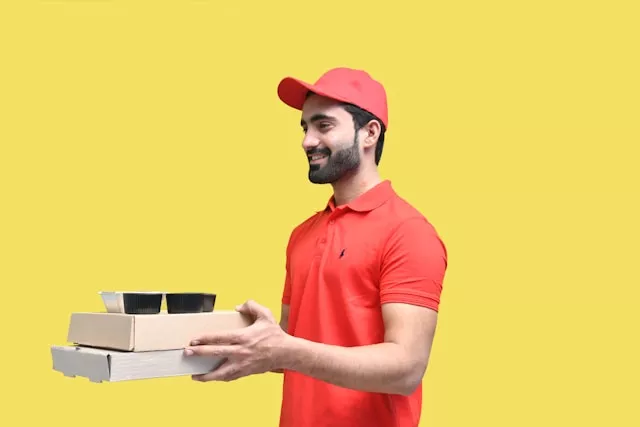
Importance of Online Food Delivery
Food delivery has moved beyond being a mere convenience. In fact, it has become an integral part of the majority of restaurant businesses. The majority of customers have busy schedules, excessive traffic, and making an online food order has become almost second nature to them.
Due to this shift, restaurants have to have a sound delivery system and absence of it will result in customers ordering food from competitors. A seamless delivery system not only attracts new customers but it also helps in retaining the old customers.
The growing demand for food delivery is supported by growing market thes. GMI Research has predicted the UAE Online Food Delivery Market to grow significantly at a CAGR of 8.5% until 2032. Restaurants that make the delivery system available to customers first will capture the market demand.
Determining the Best Food Delivery Service
The first choices entrepreneurs make is determining a strategy for managing. While some decide to dine-in, the majority make the decision to have delivery.
It is a fairly simple process. To get started, restaurants must register, upload their menu, and once they're ready to take orders, activate their account. Customers can see and place orders from the menu as they browse the app.
These platforms can be beneficial because of their visibility. Each day, millions of people actively look for restaurants and place orders. The only problem is the commission. Most platforms take a large cut of each order, which can be detrimental to profit margins.
Some platforms instead provide monthly subscription plans. Others allow restaurants to use their own website, or even create a custom app for the restaurant. The best solution usually comes down to operating costs and how much control a restaurant desires over the ordering system.
Integrating Your Restaurant’s Technology and Delivery Orders
Most restaurants use some sort of technology to manage their day to day operations. Point-of-sale systems are used to track sales, take payments, and process orders.
Many delivery service platforms also allow for direct integration with their systems. When a delivery order is received, it is sent straight to the restaurant’s POS system. This means that orders are processed without needing to be entered manually.
This one feature can save a large amount of time and can greatly decrease the number of errors that occur during rush hours.
Try running the software integration test with the delivery system you want to implement before making any final decisions. A system that streamlines operations looks good, but if it is not compatible with the restaurant's other systems, it can lead to a lot of work.
Before you start taking delivery orders, taking a few test orders is a good idea.
Developing a Delivery Pickup Area
While it may seem small, it is a significant step. Delivery pickup areas have a direct impact on restaurant operations.
Without a dedicated pickup area, the delivery pickup process can become chaotic. Delivery drivers have to cross the dining area, and the kitchen staff have to prioritize between dine-in and delivery orders. All of this confusion slow operations down.
A designated pickup area is usually located at the entrance. Once the food is ready, it is tagged and placed in the pickup area. Then the delivery drivers can enter, pick up the food, and leave.
Additionally, clear signage helps to direct delivery drivers to the pickup area so that they can pick up their orders quickly and without any confusion.
According to Delivery Order Management, closing food orders before the delivery driver arrives is essential. Your restaurant staff need to ensure that food is ready to go before the delivery driver arrives in order for food to not cool down. Many restaurants dedicate a staff member to this process in order to ensure that the food is ready when the driver arrives. This involves monitoring order systems and updating the kitchen when a new order is received.
Drivers may arrive early or late to a scheduled time, and that's fine. Being adaptable and making sure all parties are on the same page remain crucial, however, between the kitchen and the delivery app.
When all parties are on the same page, the kitchen is able to send orders out and the customers are able to eat their meals while they are hot and fresh.
Deliveries and Customer Satisfaction
With third party drivers, the customer satisfaction and experience blame always falls on the restaurant. They will never blame the delivery driver or company, and if there is a bad experience, they will remember the restaurant.
It is essential to the success of the restaurant, and the driver, that the meals be packaged properly, and the food remains off of the walls and out of the bags.
When food arrives on time, and the customer ordered is hot, they will be pleased. When a customer toxic to a restaurant, they will stop ordering. As a customer, they want their requests to be completed and addressed, and if they feel a restaurant is cutting quality or time, they will stop ordering.
When a restaurant demonstrates the ability to give food that is fresh and hot, packaged properly, and do all of that in a timely manner, they will build a loyal customer base. In order for restaurants to survive, they will need to build customer loyalty. They will need to do this while competing in the growing online food delivery service.
pred 5 urami