U.S. Automotive Aftermarket: Strong Parts Demand, Tech-Driven Service Needs, and Growing Independent Repair Networks
An aging fleet of vehicles, with an average age of greater than twelve years, drives strong performance of automotive aftermarket in the areas of replacement of vehicle parts
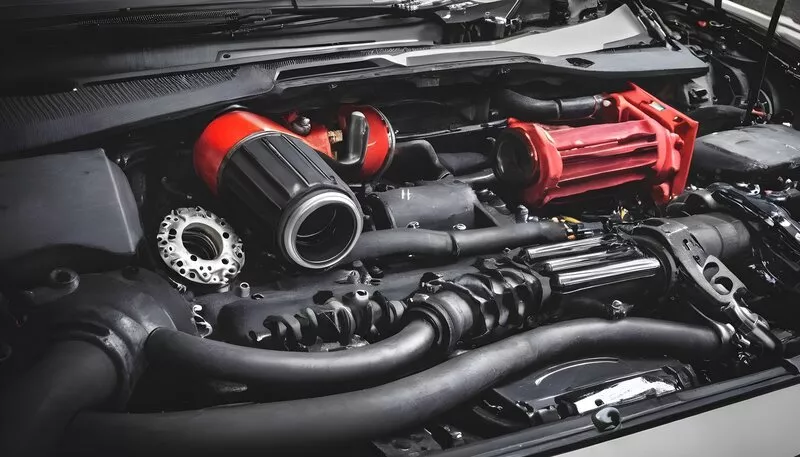
Strong Performance of Automotive Aftermarket
An aging fleet of vehicles, with an average age of greater than twelve years, drives strong performance of automotive aftermarket in the areas of replacement of vehicle parts especially tires, batteries, filters, lubricants, and brake components . The aftermarket sector continues to grow thanks to the replacement of worn tires and brake components, coupled with the extreme seasonal temperatures of some regions in the U.S. leading to battery turnover. Furthermore, the maintenance schedules advocated by vehicle manufactures and the growing realization of the need for preventive maintenance and care by vehicle owners throughout vehicle operation gives rise to strong demand for the filters, lubricants demand.
The increasing adoption of SUVs, light trucks, and longer vehicle ownership and commuting distances all lead to increased wear of components. Additions to commercial fleets, especially high-mileage last-mile delivery vans, rental cars, and ride-share vehicles, also promote growth in aftermarket volume due to frequent servicing requirements. As the economy drives consumers to be more cost-conscious and therefore more likely to keep an existing vehicle versus getting a new one, aftermarket demand in the US remains strong for fast-moving components. This allows for stability to be provided to the retailers, distributors, and service providers in the entire US aftermarket network.
As per GMI Research, the US Automotive Aftermarket Market size is estimated to reach USD 348 billion in 2032
The availability of new technologies in vehicles drives the need for more diagnostics and software changes.
The installation of advanced technologies like ADAS, telematics, a variety of sensors, hybrid systems, and complex electronic control units is a growing trend in US vehicles. Consequently, aftermarket service providers have increased needs for specialized diagnostic tools, servicing training, and control over OEM-level data to be able to perform an effective repair. A growing maintenance function provided by electronic systems, which now form a significant part of the vehicle systems, is software system troubleshooting and maintenance, system calibration, and control changes.
ADAS features—like lane assist, adaptive cruise control, and automatic braking—demand accurate recalibration after windshield replacements, suspension repairs, and collisions, adding to workshop complexity and bespoke service needs. Electric and hybrid vehicles also need distinctive diagnostic techniques and high-voltage system knowledge, requiring aftermarket shops to acquire new tools and technician training to accommodate these vehicles.
The automotive repair industry is transitioning from mechanical repairs to include software diagnostics and component replacement. To keep up with quickly changing automotive technologies, collaborations between independent repair shops, tool developers, and educational centers are growing. As digital technologies in vehicles continue to advance, so too will the need for software to maintain and high-tech diagnostics, especially in the U.S. aftermarket.
Growing Independent Repair Shops and National Service Chains
In the U.S. automotive aftermarket, independent repair shops and national service chains are becoming more and more prominent. Affordable, dependable, and convenient repairs are becoming more and more sought after by consumers. As a result, independent garages and national chains, such as Midus, Firestone, Jiffy Lube, and Pep Boys, are growing quickly in routine maintenance and repair services. These services are in high demand due to their competitive pricing, convenient proximity, and extensive customer trust built over years of service.
National chains experience higher customer satisfaction due to set service protocols, efficient parts acquisition, and favorable agreements with large-scale distributors, which allows for prompt service delivery. On the other hand, independent businesses enjoy strong competition in the vehicle repair market mainly due to personalized customer service and flexiblity with time and willingness to accept jobs more complicated and time consuming due to experience with older or more popular models.
There is an observable trend towards greater accessibility in the repair market. This shift is driven in part by the franchise model. In turn, dealerships provide aftermarket services (oil changes, tire changes, brake services, diagnostics) and repairs as service warranties expire. Everyone is increasingly relying on mobile repair services and quick service centers, especially in remote and suburban areas. Independent and national repair networks provide modern flexible scheduling, online service estimates, and detailed service performances (reporting) to boost market confidence and customer satisfaction. This is what sustains the aftermarket, which is integral to the continuing growth of the sector.
Dec 11, 2025