Social Networks and Their Impact on the Mental State of Students: The Role of Comparisons and Well-Being
Social Networks and Their Impact on the Mental State of Students: The Role of Comparisons and Well-Being
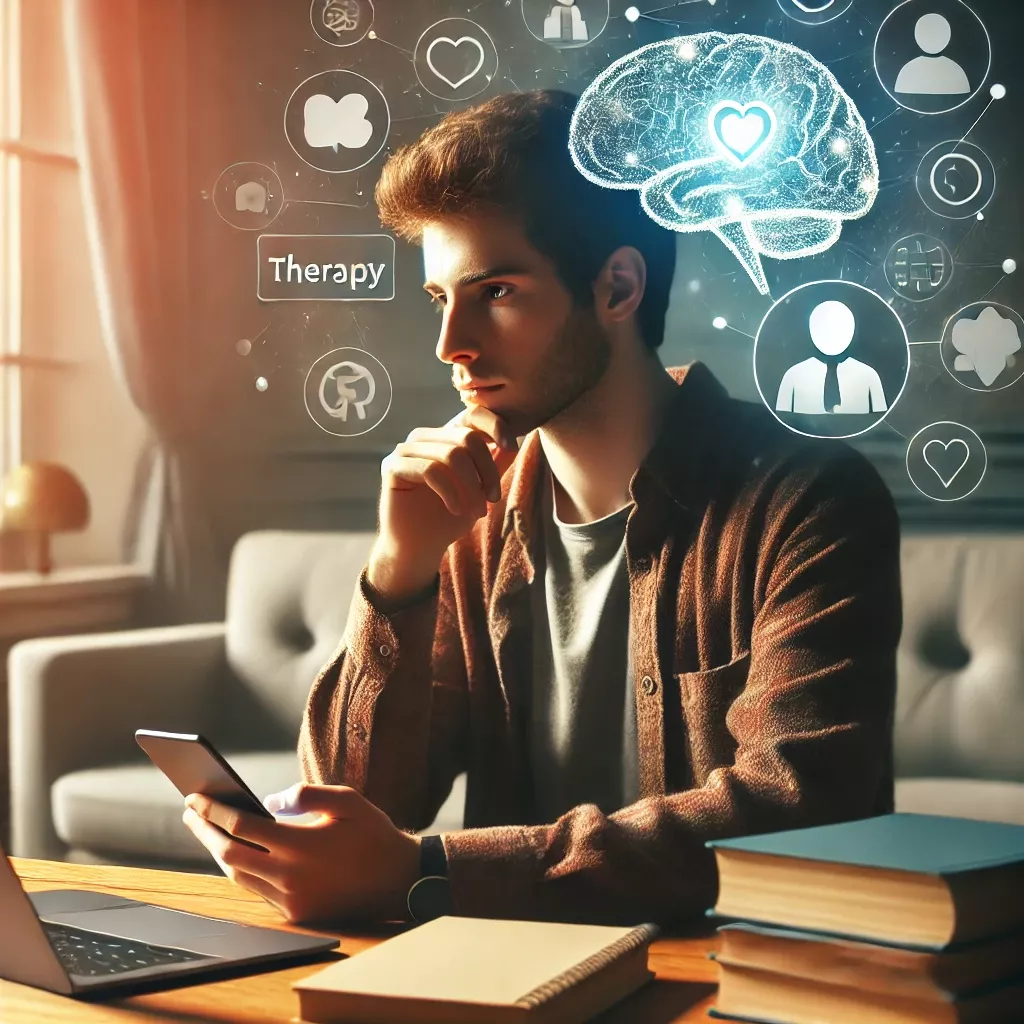
In the digital age, social networks have become an integral part of students' lives, shaping their interactions, self-perceptions, and overall well-being. While platforms like Instagram, TikTok, and Twitter offer opportunities for connection and creativity, they also pose significant challenges to mental health. One of the primary concerns is the prevalence of social comparisons, which can negatively affect students' self-esteem and mental state. According to research and expert insights highlighted in articles like https://pasoroblesdailynews.com/why-are-so-many-college-students-turning-to-therapy/199011/ "Why Are So Many College Students Turning to Therapy?", these comparisons are a major factor driving students to seek professional help. The role of therapy and institutional support in addressing these challenges cannot be overstated, as students increasingly look for ways to cope with the pressures of academic and social life.
This article delves into the influence of social networks on students' mental health, focusing on the impact of comparisons and the broader implications for well-being. By examining recent studies and practical solutions, we aim to provide a deeper understanding of this pressing issue.
The Double-Edged Sword of Social Media
The Rise of Social Comparisons
Social networks thrive on curated content, where users often present an idealized version of their lives. For students, this creates a breeding ground for unhealthy comparisons. Research reveals that scrolling through feeds filled with seemingly perfect lifestyles, academic achievements, or social events can lead to feelings of inadequacy and low self-worth.
Platforms with visual emphasis, like Instagram, amplify these effects. For instance, a student comparing their weekend spent studying to a peer's glamorous vacation post may feel inferior, even if the reality behind the post is far from perfect. Over time, such comparisons can contribute to anxiety, depression, and an erosion of self-esteem.
Amplifying Academic and Social Pressures
Social media also intensifies the already significant pressures students face in their academic and personal lives. Beyond comparisons, the constant connectivity can lead to information overload, fear of missing out (FOMO), and burnout. Notifications, messages, and updates create a culture of urgency, leaving little room for relaxation or self-reflection.
The Growing Need for Mental Health Support
The correlation between social networks and mental health challenges has sparked a growing demand for psychological support among students. Articles like Why Are So Many College Students Turning to Therapy? shed light on this trend, emphasizing the pivotal role of therapy in helping students manage stress and emotional exhaustion. The article explores how rising levels of anxiety and depression, coupled with social media’s influence, drive students to seek professional guidance. It also highlights the changing attitudes toward therapy, with more students viewing it as a valuable tool rather than a stigmatized option.
Paso Robles Daily News discusses how universities are stepping up their efforts to support students' mental health by providing counseling services, workshops, and online resources. This proactive approach helps students navigate the challenges posed by social comparisons and maintain a healthier mindset.
Strategies to Counteract Social Media's Negative Effects
Encouraging Digital Literacy
Educating students about the curated nature of social media can empower them to approach online content critically. Understanding that posts often depict an idealized reality helps reduce the impact of harmful comparisons. Universities and mental health organizations can offer workshops and campaigns to promote digital literacy.
Setting Healthy Boundaries
Encouraging students to limit their screen time and establish boundaries with social media can significantly improve mental well-being. Simple steps like turning off notifications, designating "offline" hours, and engaging in offline hobbies can make a substantial difference.
Seeking Professional Help
Therapy and counseling remain vital resources for students struggling with the effects of social media. Cognitive-behavioral therapy (CBT), for instance, helps students reframe negative thought patterns stemming from comparisons. Universities should ensure that these resources are accessible and destigmatized.
The pervasive influence of social networks on students' mental health underscores the importance of addressing the issue through education, support, and intervention. Social comparisons, fueled by curated content, are a significant contributor to feelings of inadequacy and stress among students. However, with increased awareness, digital literacy, and access to mental health resources, students can learn to navigate these challenges and prioritize their well-being.
As discussed in Why Are So Many College Students Turning to Therapy?, seeking help is not a sign of weakness but a proactive step toward maintaining mental health in a digital age. By fostering a culture of support and understanding, we can help students thrive both online and offline.
Jan 09, 2025