How to Estimate Construction Cost
Estimating construction costs accurately is one of the most critical steps in planning a building project.
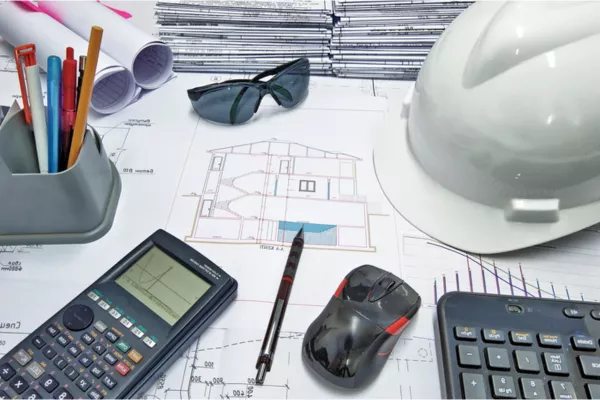
Estimate construction cost accurately is one of the most critical steps in planning a building project. Whether you're a homeowner preparing to build a new house, a contractor bidding for a project, or a developer calculating potential returns, getting the cost estimate right can mean the difference between success and financial loss.
This guide explains how to estimate construction costs in a structured and reliable way, helping you stay within budget and avoid unpleasant surprises.
1. Understand the Project Scope
Before you can begin estimating costs, it's essential to clearly define the scope of your project. Are you building a new house, renovating a part of it, or constructing a commercial space? Each type of project has unique requirements, and the level of detail you define will directly affect the accuracy of your estimate.
Key factors to clarify:
• Project size (square meters)
• Type of construction (residential, commercial, industrial)
• Number of floors
• Quality of materials
• Timeline and deadlines
Without a clear scope, your estimate will be based on assumptions, which increases the risk of overspending.
2. Break Down the Work into Phases
Dividing the construction into manageable phases makes it easier to assign costs. A typical construction project includes:
• Site preparation (clearing land, excavation, leveling)
• Foundation work
• Structural framing
• Roofing
• Electrical and plumbing
• Interior finishes (flooring, painting, tiling)
• Exterior work (facades, landscaping, fencing)
By estimating each phase separately, you reduce the risk of overlooking expenses.
3. Use a Bill of Quantities (BoQ)
A Bill of Quantities (BoQ) is a document prepared by a quantity surveyor or estimator that lists all materials, parts, and labor required. It includes item descriptions, quantities, units, and rates. BoQs are especially useful for tendering and budgeting, as they allow for item-by-item cost comparison.
If you're working on a smaller residential project, you can create a simplified BoQ using a spreadsheet. Be sure to include:
• Quantity of materials
• Cost per unit
• Total labor hours
• Equipment rental (if needed)
4. Determine Unit Costs
Every material and labor task in construction has a unit cost — for example, euros per square meter of tiling or euros per cubic meter of concrete. You can obtain unit costs from:
• Local suppliers
• Online databases
• Previous projects
• Contractors’ quotes
Keep in mind that prices fluctuate based on:
• Market demand
• Seasonal changes
• Delivery charges
• Import taxes (if materials are sourced abroad)
Using current, local pricing is crucial for accuracy.
5. Factor in Labor Costs
Labor can account for 30–50% of total construction costs, depending on the project's complexity. When estimating labor costs, consider:
• Skill level required (e.g., general laborer vs. certified electrician)
• Local wage rates
• Work hours and labor laws
• Potential overtime or weekend work
Hiring experienced professionals may cost more upfront but can reduce delays and costly mistakes in the long run.
6. Include Overheads and Profit Margins
Contractors typically include overheads (office expenses, project management, insurance, utilities) and profit margins in their estimates. Even if you're managing the project yourself, you should account for:
• Transportation costs
• Permits and inspections
• Waste disposal
• Contingencies (typically 5–10% of total cost)
Profit margins for contractors usually range from 10% to 20% of the total cost, depending on competition and market conditions.
7. Consider Soft Costs
In addition to direct construction costs, there are soft costs — expenses not tied directly to physical building but still essential. These include:
• Architectural and engineering fees
• Legal fees and permits
• Environmental studies
• Site surveys
These costs can make up 10–15% of the total project budget and should not be overlooked.
8. Use Estimating Software or Online Calculators
Technology can make the estimating process faster and more accurate. Some widely used construction estimating tools include:
• CostX
• Buildertrend
• PlanSwift
• Excel-based templates
There are also online calculators where you input details like location, size, and type of project to get a rough estimate. However, these tools should only be used for preliminary budgeting and not as a replacement for a detailed estimate.
9. Review and Adjust the Estimate
Once the initial estimate is ready, review it carefully:
• Double-check calculations
• Compare with similar past projects
• Consult with professionals (engineers, quantity surveyors, or contractors)
Adjust your estimate if you discover missing items or miscalculations. Also, consider creating three scenarios: best-case, expected, and worst-case to prepare for financial flexibility.
10. Monitor Costs Throughout the Project
Estimating isn’t a one-time task. As the project progresses, actual costs may differ due to:
• Design changes
• Material price fluctuations
• Unforeseen site conditions
Use your estimate as a baseline for tracking real-time spending and make adjustments promptly. Cost monitoring helps keep the project on budget and on schedule.
Final Thoughts
Estimating construction costs is both an art and a science. It requires a careful mix of experience, detailed planning, and market knowledge. While it may take time to develop an accurate estimate, the effort pays off by minimizing risks and ensuring financial control throughout your construction project.
Whether you're building a small family home in Ljubljana or a commercial facility in Maribor, taking the time to estimate costs properly is the smartest first step you can take.
Jul 08, 2025