Tailored Estimating Strategies for Northeast Projects
Effective cost estimating is the foundation of project success, yet conventional approaches often fall short in a region marked by seasonal extremes and complex permitting landscapes.
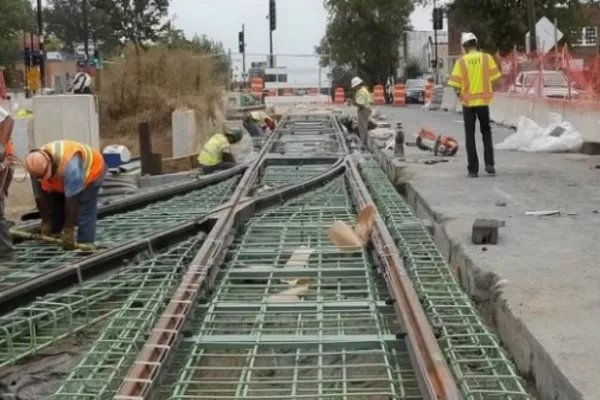
In the heart of the Northeast—encompassing Boston, Albany, New York City, and Portland—construction and infrastructure projects must account for unique challenges: unpredictable weather patterns, dense urban environments, historic preservation, and stringent regulatory frameworks. Effective cost estimating is the foundation of project success, yet conventional approaches often fall short in a region marked by seasonal extremes and complex permitting landscapes. This article explores refined estimating techniques designed specifically for Northeast projects that elevate accuracy, reduce risk, and enhance stakeholder confidence.
1. Comprehensive Climate Risk Modeling
Why it matters:
The Northeast is notorious for volatile weather—heavy snowfalls in winter, nor’easters in spring and fall, and blistering heat waves in summer. These shifts disrupt schedules, inflate material costs, and demand additional labor.
Strategy:
• Employ detailed historical weather data—covering 10–20 years—to model potential downtime or climate-related delays.
• Use data-driven formulas to calculate cost impacts: e.g., “$X per inch of snow,” “Y% labor premium during winter months.”
• Build contingency buffers (typically 5–12%, depending on project type and season) tied to forecasted climate risk.
Outcome: Reduces planning gaps, ensures budget alignment under worst-case scenarios, and enhances client trust.
2. Urban Site Intelligence and Logistical Planning
Why it matters:
Dense urban cores like Manhattan and downtown Boston impose strict curbside restrictions, limited staging zones, and aggressive load/unload windows. Misguided assumptions can cause costly overruns.
Strategy:
• Conduct physical site walkthroughs to assess staging, hoist placement, delivery truck paths, and storage space.
• Coordinate with city authorities early—understanding parking permit restrictions, noise ordinances, or timed access bans.
• Incorporate premium rates for off-hours work or expedited deliveries mandated by municipal regulations.
Outcome: Optimizes logistics, reduces last-minute surcharges, and smooths interactions with city agencies.
3. Historic Structure & Preservation Premiums
Why it matters:
The Northeast features extensive historic districts and century-old structures. Renovation projects often require specialized techniques, materials, and approvals.
Strategy:
• Understand local preservation guidelines thoroughly (e.g., New York Landmarks Commission, Boston EPA overlays).
• Allow for soft-costs like preservation architects, structural stabilization, and mock-up approvals—often adding 7–15% in contingencies.
• Account for specialized labor (e.g., artisan masons, millworkers) with higher hourly rates and extended schedules.
Outcome: Avoids under-budgeting key heritage factors, enhances permitting certainty, and fosters client credibility.
4. Seasonally Adjusted Productivity Rates
Why it matters:
Worker efficiency changes with weather conditions—bricklayers freeze in winter, outdoor framing slows in rainy spring, and summer heat drives midday breaks.
Strategy:
• Adjust labor productivity rates monthly, factoring heat, cold, precipitation, and daylight hours.
• Use local crew benchmarks—tracked over past similar projects—to calibrate productivity reductions of 10–30% in extreme weather.
• Set measurable productivity KPIs during in-progress claims: maintain awareness of seasonal drag and control costs through pace reviews.
Outcome: Reduces friction in labor costs and substantiates time extensions and claims if warranted.
5. Material Market Volatility & Local Sourcing
Why it matters:
Material costs—from lumber to steel—swing significantly in the Northeast. Short supply, import delays, or New England port backups can spike prices unpredictably.
Strategy:
• Regularly monitor regional material indices (e.g., Associated General Contractors, local commodity reports).
• Use split-line pricing: lock in base installation rates, but keep material lines adjustable via monthly index escalators.
• Vet multiple local suppliers to compare premiums, lead times, and flexibility—then add contingency margins (4–8%) for price shields.
Outcome: Shields budgets from sudden market hikes and positions estimators to renegotiate with timely data.
6. Regulatory & Permit Walkthrough Fees
Why it matters:
Building codes, environmental reviews, stormwater regulations, and labor compliance vary sharply across Northeast states—especially in coastal zones and historic districts.
Strategy:
• Itemize permit costs upfront: zoning variances, environmental mitigation plans, city review sessions, bond postings.
• Budget for consulting costs (e.g., wetlands specialists, structural peer reviews).
• Consider inter-jurisdictional complexity—if your project crosses city/county/state lines, build allowances for duplicate processes and timing lags.
Outcome: Avoids last-minute administrative overhead and smoother progress through public agencies.
7. Climate Resilience & Insurance Uplifts
Why it matters:
Rising sea levels and extreme weather increasingly influence insurance premiums and design requirements—especially for coastal New England projects.
Strategy:
• Factor in FEMA flood regulations, stormproofing requirements, and infrared inspections.
• Estimate incremental costs for features such as higher-grade waterproofing, backup generators, and elevated structural bases.
• Add insurance uplift contingencies (typically 3–6%) depending on flood-zone designation.
Outcome: Produces insurance-ready estimates that strengthen client trust—and reduce post-award surprises.
8. Real-Time Data & Collaborative Estimating
Why it matters:
Static spreadsheets hinder agility. The Northeast construction landscape rewards rapid adjustments and shared situational awareness.
Strategy:
• Leverage cloud-based estimating platforms that integrate real pricing feeds and mobile field inputs.
• Involve trade partners in live estimate reviews—uncover regional-specific costs (e.g., localized excavation challenges, union labor differentials).
• Build “scenario” variants: analyze cost sensitivities to key drivers like weather delays, permit lags, or material surcharges.
Outcome: Enhances transparency, builds client/trade ownership, and speeds iteration when conditions change.
Final Thoughts
Estimating in the Northeast demands far more than plug and play cost models. Precise forecasting accounts for:
• Weather vagaries
• Urban absorption and logistics
• Preservation and code overlay
• Material inflation
• Regulatory complexity
• Climate resilience
• Agile, collaborative processes
By embracing region-specific intelligence, setting tailored contingencies, and contextualizing every line item—project teams in Boston, Providence, or Albany can sharply improve estimate accuracy and boost client confidence. Tailored estimating strategies aren’t just a competitive edge; they’re a necessity for the demanding, dynamic Northeast environment.
Jul 16, 2025