How Bamboo Flooring Maintains Its Beauty in High‑Traffic Spaces
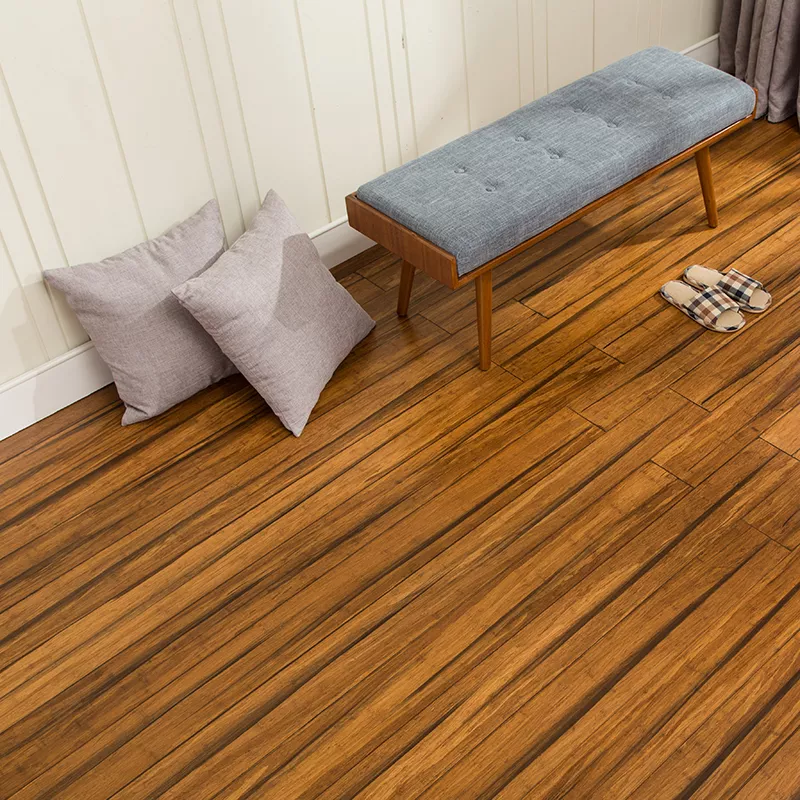
Bamboo flooring has earned a reputation for staying attractive even in areas where foot traffic never seems to slow. From busy home entryways to commercial corridors, it offers a combination of durability, natural warmth, and long‑term visual stability that few materials match. Many flooring types begin to show wear patterns, dents, or surface dullness after years of constant use, but bamboo—particularly strand woven bamboo—maintains its appearance through a combination of natural strength, engineered structure, and thoughtful finishing techniques.
Understanding how it preserves its beauty requires a closer look at its intrinsic material properties, how it’s manufactured, and what makes it so well suited to spaces that put flooring to the test.
High‑traffic areas create three major challenges for flooring: abrasion from foot movement, impact from objects and furniture, and pressure from repetitive weight. Traditional hardwoods can handle these stresses to a point, but softer species gradually show indentations or scratches. Bamboo starts with an advantage thanks to its unique cellular structure. Even before it is processed into flooring, bamboo culms contain dense vascular bundles that give the plant exceptional toughness. These fibers have high tensile strength and are arranged in a way that resists compression, providing a strong foundation for durable flooring products.
Strand woven bamboo takes this natural strength further. Instead of cutting the bamboo into thin strips, manufacturers slice the culm into fibers, saturate them with adhesive resins, and compress them under extreme pressure. This process binds the fibers into a dense matrix, creating planks that are significantly harder than many hardwoods. The compression pulls the fibers tightly together, removing voids and dispersing natural strength across the entire board. Many strand woven bamboo floors achieve Janka hardness ratings far above species like oak, hickory, or maple—an advantage that directly influences how well they hold up to heavy wear.
This density prevents surface dents from forming when people walk in heels, drop objects, or shift furniture. In high‑traffic spaces such as kitchens, offices, or retail aisles, this resistance is especially valuable. Floors remain smooth and unmarked, which helps preserve their original appearance without requiring constant repair.
In addition to hardness, bamboo flooring benefits from strong layered construction in engineered formats. Engineered bamboo consists of a bamboo wear layer mounted onto a cross‑structured core that resists environmental movement. This design helps maintain surface flatness when humidity or temperature shifts. High‑traffic areas often experience frequent climate fluctuations due to HVAC cycles, open doorways, or human activity. When flooring remains dimensionally stable, its finish wears more evenly, preventing visible gaps, cupping, or peaked edges that can detract from the overall look.
Surface finishes play a major role in maintaining the floor’s beauty. High-quality bamboo flooring is usually coated with multilayer aluminum oxide or ceramic-based finishes. These coatings form a durable shield that resists scratching and abrasion. Even with constant foot movement, the finish minimizes dulling and helps the surface reflect light in a clean, uniform way.
This protective layer does more than guard against wear—it also contributes to easier maintenance. Dust, grit, and debris from heavy traffic tend to dull flooring surfaces over time. With a robust finish, bamboo flooring can be cleaned quickly without aggressive chemicals or heavy equipment, preserving both the finish and the aesthetic. Businesses that rely on frequent cleaning cycles—including restaurants, offices, and hotels—benefit from a surface that withstands repeated mopping, sweeping, or vacuuming without becoming cloudy or worn.
Another advantage of bamboo flooring is the way its natural grain patterns help conceal minor signs of wear. Unlike some hardwoods with prominent grain lines and knots, bamboo features a more consistent visual texture. Whether vertical‑grain, horizontal‑grain, or strand‑woven, the patterns appear clean and unified. This consistency diffuses the look of everyday wear, allowing the floor to maintain an overall uniform appearance even in areas that receive constant use.
Strand woven bamboo, in particular, has a visually complex fiber arrangement. The interwoven nature of the strands creates a subtle, organic pattern that doesn’t easily reveal minor scratches or scuffs. Because the color and grain variation are evenly distributed, any small markings tend to blend with the natural texture instead of standing out sharply.
Color stability contributes to long-term beauty as well. Many bamboo flooring options use UV‑cured finishes that resist fading. High‑traffic spaces with large windows or skylights can expose flooring to sunlight throughout the day. Without UV‑resistant finishes, some flooring materials fade or discolor. Bamboo’s protective coatings minimize this effect, keeping the color consistent across the room.
Some bamboo floors undergo carbonization, a heat‑treatment process that darkens the fibers. While carbonized bamboo can be slightly softer than natural bamboo, strand‑woven versions maintain impressive hardness even after carbonization. This allows darker bamboo flooring to remain just as visually resilient in high‑traffic environments.
Moisture performance also aids in maintaining appearance. High‑traffic areas are often entry points for moisture from shoes or spilled liquids. Bamboo’s density and protective topcoat help prevent moisture absorption when spills are cleaned promptly. Engineered bamboo provides even more stability against environmental moisture, reducing surface swelling or warping. When flooring remains flat and aligned, the surface finish stays intact and attractive.
The structural stability of bamboo also helps prevent long-term issues like wear patterns in specific walking lanes. Some flooring materials compress slightly under repetitive pressure, creating grooves along paths people walk most frequently. Bamboo’s hardness and compression resistance slow this process significantly. With proper maintenance, the surface remains even across the entire space, keeping the finish consistent and the floor visually balanced.
Another reason bamboo flooring maintains its beauty is its compatibility with modern cleaning tools and methods. Scrubber machines, microfiber mops, and mild detergents work effectively without harming the finish. Commercial cleaners appreciate how easily bamboo flooring integrates into their routines, and this ease helps ensure the flooring remains clean and presentable every day.
The installation method also contributes to long-term appearance. Whether glued down, nailed, or installed as a floating floor, bamboo flooring creates a tight joint structure that reduces the potential for seam gaps. In high-traffic spaces, tightly fitted planks prevent dirt accumulation between boards, which can otherwise cause discoloration or abrasion around joints. When the flooring is installed properly, the surface remains smooth and visually seamless.
The comfort level of bamboo flooring has an indirect but meaningful impact on its appearance. People walking or standing on a slightly resilient surface put less strain on the floor’s finish compared with harder materials. Bamboo has a mild elasticity that absorbs some impact instead of transferring all force to the surface. This helps reduce micro-scratches and friction wear, contributing to its long-lasting polished look.
Fire resistance is another practical benefit. High‑traffic public spaces must meet strict safety requirements, and bamboo flooring often satisfies commercial fire rating standards. This inherent resistance allows bamboo to maintain its beauty without requiring heavy fire-retardant treatments that could alter its appearance or texture.
Bamboo’s environmental advantages also indirectly support its visual appeal. Because it grows rapidly and regenerates without replanting, it’s considered a sustainable material. Many commercial designers choose bamboo specifically for projects that prioritize environmentally conscious materials. Its natural aesthetic reinforces this intention, giving commercial spaces a warm, grounded appearance that remains stylish over time.
In hospitality and retail environments, where branding and guest impressions matter, the visual consistency and durability of bamboo flooring help uphold the intended design. A hotel lobby with bamboo flooring retains its sophisticated atmosphere. A retail store maintains a clean, inviting space that helps merchandise stand out. Offices remain polished and professional, contributing to a productive atmosphere.
The long-term performance of bamboo flooring depends on a combination of material strength, protective finishes, stable construction, and visual versatility. It remains a dependable choice for high-traffic spaces because it holds up against daily wear while preserving the natural beauty that defines its appeal. Through engineered density, strong fiber structure, and effective finishing technologies, bamboo flooring keeps its smooth, refined appearance even under demanding use.
Jan 29, 2026