Bamboo Flooring for Allergies: A Healthier Indoor Choice
People are spending more time indoors than ever, and that makes the materials inside a home more important to overall well‑being. Among flooring options, bamboo has been gaining attention not only for its appearance and durability but also for its po
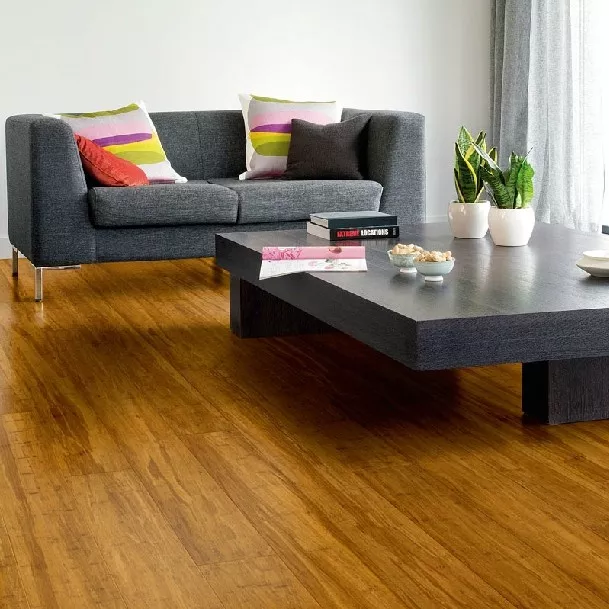
People are spending more time indoors than ever, and that makes the materials inside a home more important to overall well‑being. Among flooring options, bamboo has been gaining attention not only for its appearance and durability but also for its potential to support cleaner, healthier indoor air. For individuals who deal with seasonal allergies, sensitivities to dust, or reactions to certain chemicals, flooring can play a significant role in day‑to‑day comfort. Bamboo stands out as a strong contender for those seeking a balance of aesthetics, practicality, and support for a cleaner living environment.
Why Flooring Matters for Allergy Management
When people think about allergies, they often picture pollen from outside or dust on shelves, yet the floor beneath their feet affects how allergens accumulate and disperse. Soft surfaces, especially carpet, tend to trap dust mites, pet dander, and tiny particles that settle deep within fibers. Even with regular vacuuming, these materials can hold onto allergens and release them back into the air through daily foot traffic.
Hard‑surface flooring offers an alternative with smoother surfaces that don’t harbor allergens in the same way. Bamboo belongs to this category, and its structure and finishing options make it especially suitable for households looking to limit allergen buildup.
What Makes Bamboo a Cleaner Choice
Several characteristics of bamboo contribute to a healthier indoor environment.
Smooth, Non‑Fibrous Surface
Dust mites thrive in soft, fibrous materials. Because bamboo planks have a dense, flat surface, particles tend to remain on top rather than settling into hidden layers. Regular sweeping or vacuuming removes debris easily, helping reduce allergen accumulation.
Lower Allergen Retention
Some flooring options have pores or textures that allow dust and pet dander to cling to the surface. Quality bamboo flooring—especially strand‑woven varieties—has a tighter structure, making routine cleaning more effective. This feature is especially helpful for individuals who react strongly to dust, as fewer particles remain trapped.
Better Performance With Humidity Control
Humidity is an overlooked factor in allergy management. High moisture levels encourage mold growth and create ideal conditions for dust mites. Bamboo generally handles moderate humidity fluctuations better than certain hardwoods, and when paired with proper climate control, it helps maintain an indoor environment that discourages allergen development.
Fewer Harsh Chemicals (Depending on the Product)
Some flooring materials release volatile organic compounds (VOCs), which can trigger irritation or respiratory discomfort. Many bamboo manufacturers now offer low‑VOC products that comply with strict emissions standards. For those sensitive to chemical odors or off‑gassing, low‑VOC bamboo options can be more comfortable than certain laminate or synthetic flooring lines.
Indoor Air Quality and Bamboo Manufacturing
Not all bamboo flooring is the same, and differences in production can influence indoor air quality. Bamboo is a fast‑growing grass that must be processed and bonded into planks, so adhesives and finishes vary by brand. For people who want the healthiest indoor option, there are a few points worth considering:
Look for certifications such as FloorScore or similar air‑quality testing programs.
Prefer products labeled low‑VOC or ultra‑low‑VOC.
Consider natural or water‑based finishes rather than solvent‑based coatings.
These choices help ensure that the flooring contributes minimally to airborne chemical exposure.
Maintenance Practices That Support Low‑Allergen Living
Choosing the right flooring is only the first step. Proper maintenance makes the biggest difference in daily air quality.
Simple, Regular Cleaning
Bamboo floors respond well to straightforward upkeep. Dusting or sweeping a few times a week reduces particulate buildup. Individuals with allergies often find that simply keeping the floor clean helps them breathe more comfortably.
Avoid Harsh Cleaners
Strong chemical cleaners can release fumes that irritate sensitive individuals. Bamboo floors typically require only gentle, pH‑balanced products designed for wood‑like surfaces. Many homeowners prefer microfiber cleaning tools that capture dust without chemicals.
Manage Humidity
A home humidity range of roughly 30–50 percent supports both bamboo stability and a less hospitable environment for dust mites and mold. Dehumidifiers or simple ventilation adjustments can help maintain steady moisture levels.
Prevent Scratches and Wear
Although scratches do not directly affect allergens, smoother floors are easier to clean, and fewer crevices mean fewer places for particles to gather. Felt pads under furniture and regular attention to high‑traffic areas help preserve the surface.
Bamboo Compared With Other Allergy‑Friendly Flooring
Hardwood, tile, vinyl, and cork all fall into the category of smoother floors that don’t trap allergens the way carpets do. Each material has strengths, but bamboo offers a unique combination of benefits.
Bamboo vs. Hardwood
Hardwood floors are classic and durable, yet some species are more sensitive to humidity changes. Bamboo, especially strand‑woven types, tends to be harder and slightly more adaptable in homes that experience seasonal moisture shifts. Both can support low‑allergen environments when finished properly.
Bamboo vs. Tile
Tile does not trap allergens, but grout lines can collect dust and require more intensive cleaning. Bamboo’s continuous surface makes daily upkeep easier. Tile can also feel colder underfoot, which may influence comfort depending on climate.
Bamboo vs. Vinyl
Vinyl offers smooth surfaces and water resistance, but people concerned about chemical sensitivities sometimes avoid it due to certain VOC emissions. Low‑VOC bamboo may feel like a more natural choice for those prioritizing indoor air quality.
Bamboo vs. Cork
Cork has natural antimicrobial properties, but its softer surface can show wear more easily. Bamboo tends to offer greater long‑term durability with a smooth, firm texture ideal for quick cleaning.
Design Flexibility With a Health‑Conscious Material
While health benefits often guide the decision, homeowners also consider how flooring looks and performs within a room. Bamboo offers a range of stylistic options that blend well with modern, classic, or minimalist interiors.
Natural bamboo has a light, warm tone suited for bright, open spaces.
Carbonized bamboo has a deeper color created through heat treatment.
Strand‑woven bamboo mimics the grain of hardwood and provides enhanced durability.
Wide‑plank or narrow‑plank designs can shift a room’s visual feel.
These variations allow individuals to prioritize clean indoor air without sacrificing style.
Durability for Busy, Allergy‑Sensitive Households
Families with allergy concerns often want surfaces that can withstand frequent cleaning. Bamboo’s reputation for hardness and scratch resistance—particularly with strand‑woven construction—makes it suitable for high‑use areas. Pets, children, and frequent foot traffic are part of many households, and bamboo tends to hold up well under daily stresses.
In long‑term use, floors that stay smooth and intact contribute to easier cleaning and less dust accumulation. Surface integrity matters more for allergy management than many people realize, because worn‑down finishes or crevices can hold microscopic debris.
Sustainability as a Secondary Advantage
While not directly related to allergies, sustainability influences material choice for many homeowners. Bamboo grows rapidly and regenerates without replanting, which has made it a recognized option among environmentally minded consumers. Because the material matures quickly, manufacturers can produce flooring with a lower ecological footprint compared to some slow‑growing hardwoods.
For households focusing on wellness and environmentally conscious living, this dual set of benefits—health considerations and renewable sourcing—can make bamboo especially appealing.
When Bamboo May Not Be Ideal
Even though bamboo supports better indoor air quality in many cases, it’s not the perfect fit for every situation. Some limitations include:
Excessive moisture environments can affect stability.
Very low‑grade bamboo may use adhesives with higher emissions.
Improper installation can lead to gaps that collect debris.
Working with reputable suppliers and professional installers helps ensure the flooring performs as expected.
Making a Confident, Health‑Focused Flooring Choice
Bamboo flooring continues to earn attention among people who want to reduce allergen exposure without giving up style, comfort, or durability. With its smooth surface, low allergen retention, humidity adaptability, and availability in low‑VOC formulations, it supports a home environment that feels cleaner and easier to maintain.
Choosing the right type of bamboo, paying attention to manufacturing standards, and keeping up with simple maintenance habits allow individuals and families to enjoy a space that looks good and supports clearer air. For anyone seeking a flooring material that aligns with both health considerations and modern design preferences, bamboo stands out as a thoughtful and practical option.
Jan 26, 2026