
When it comes to the world of wine, few names carry the prestige and history of French wine. For centuries, francuska vina have set the global standard for quality, elegance, and the philosophy of terroir. France produces between seven and eight billion bottles a year and remains one of the largest wine producers on the planet, home to roughly 27,000 wineries, many of them family estates passed down through generations.
Whether you are a curious beginner or a seasoned enthusiast, understanding francuska vina opens the door to an extraordinary range of styles — from bold, age-worthy reds to crisp, mineral whites and luscious sweet wines. In this guide, we explore the most important French wine regions, the grapes behind them, and practical tips for choosing a bottle you will love.
Why Francuska Vina Are So Special
The secret behind francuska vina lies in a single, almost sacred concept: terroir. This is the French belief that the land, climate, soil, and local tradition all shape the unique character of a wine. The same grape variety can taste remarkably different depending on where it is grown — and the French have spent centuries mapping exactly which plots produce the finest results.
Another distinctive feature is the labeling system. French wines are usually identified not by the grape variety but by the Appellation d'Origine Contrôlée (AOC) — a protected place name. These strict regulations define which grapes may be grown in each region and how the wine must be produced, which is why so many French labels show the region (such as Bordeaux or Chablis) rather than the grape itself.
The Most Famous French Wine Regions
France is divided into numerous winegrowing regions, each with its own identity. Below are the regions that define the reputation of francuska vina around the world.
Bordeaux
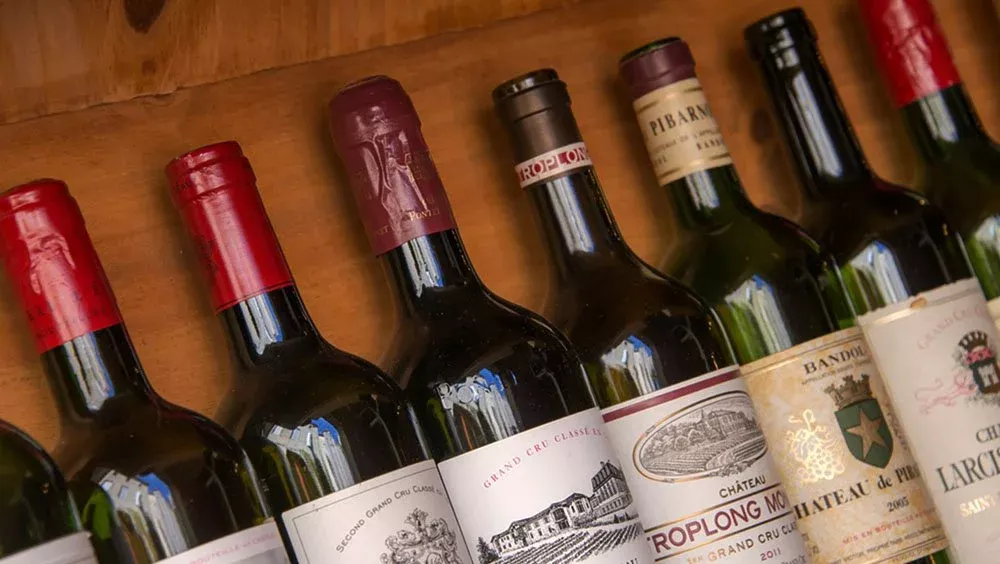
Arguably the world's most famous wine region, Bordeaux in southwest France is renowned for its powerful red blends. Bordeaux reds — often called claret — typically combine Cabernet Sauvignon, Merlot, and sometimes Cabernet Franc. The region is split by rivers into the Left Bank, where Cabernet Sauvignon dominates and produces bold, tannic, age-worthy wines, and the Right Bank, where Merlot leads, giving softer, plummier reds in appellations such as Pomerol and Saint-Émilion. Bordeaux also crafts dry whites and the legendary sweet wines of Sauternes.
Burgundy (Bourgogne)
In Burgundy, the idea of terroir is almost a religion. This eastern region focuses on just two main grapes: Pinot Noir for its elegant reds and Chardonnay for its refined whites. Burgundy is a patchwork of tiny vineyard plots, each with its own name and character. The finest wines from the Côte d'Or rank among the most prestigious — and expensive — in the world, while regions like Chablis and the Mâconnais offer more approachable options.
Champagne
No discussion of francuska vina is complete without Champagne — the sparkling wine that has become synonymous with celebration. Made primarily from Chardonnay, Pinot Noir, and Pinot Meunier using the traditional method, true Champagne can only come from this cool northern region.
Rhône Valley
Following the Rhône River from the Alps toward the Mediterranean, this region is famous for rich, spicy reds. The northern Rhône is known for Syrah-based wines like Hermitage, while the southern Rhône produces the celebrated Châteauneuf-du-Pape, a blend that may include up to thirteen different grape varieties.
Loire Valley and Alsace
The Loire Valley is prized for its fresh whites, from crisp Sauvignon Blanc to versatile Chenin Blanc, as well as elegant sparkling Crémant. Alsace, in the northeast, specializes in aromatic white varieties such as Riesling, Gewürztraminer, and Muscat, often in a fruity yet dry style.
Types of French Wine
Across these regions, francuska vina cover every possible style:
• Red wine: From structured Bordeaux blends to silky Burgundian Pinot Noir and bold Rhône Syrah.
• White wine: Ranging from mineral Chablis and zesty Loire Sauvignon Blanc to aromatic Alsatian Riesling.
• Rosé: Provence is the spiritual home of pale, dry, food-friendly rosé.
• Sparkling wine: Champagne and the more affordable Crémant.
• Sweet wine: Sauternes and Barsac, made from grapes affected by noble rot.
How to Choose the Right French Wine
Navigating francuska vina can feel intimidating, but a few simple guidelines make it easier:
• Look at the region. Smaller, more specific appellations often signal higher quality than broad regional labels.
• Match the style to the occasion. Choose a bold Bordeaux for red meat, a crisp Loire white for seafood, or Champagne for celebrations.
• Consider the vintage. Some regions and years are more highly regarded than others, especially for age-worthy reds.
• Ask for guidance. A trusted wine shop can point you toward bottles that fit your taste and budget.
If you want to explore a carefully curated selection of francuska vina, you can browse the French wine offering at eVino, where over 900 labels from France and beyond are available — from well-known classics to small, authentic discoveries. You can also explore the full red wine collection to find Bordeaux and Burgundy reds, or read more wine stories and tips on the eVino blog.
Conclusion
From the prestigious châteaux of Bordeaux to the storied plots of Burgundy and the celebratory bubbles of Champagne, francuska vina offer a lifetime of discovery. By understanding the key regions, grape varieties, and the philosophy of terroir, you can choose with confidence and find a French wine to suit every taste, meal, and occasion. Whether you are starting your journey or deepening a long-held passion, there has never been a better time to raise a glass and toast to the timeless appeal of French wine.
May 13, 2026