
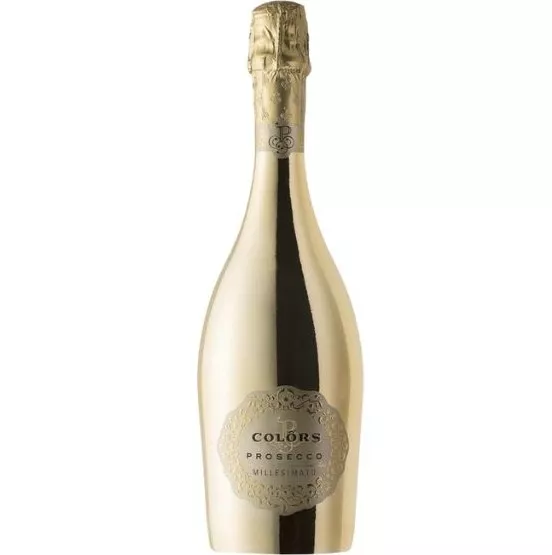
Few wines capture the spirit of celebration quite like prosecco. Light, fruity and endlessly versatile, this Italian sparkler has become the go-to bubbly for everything from casual aperitifs to milestone toasts. But there's far more to prosecco than its reputation as an affordable Champagne alternative. This guide covers what prosecco is, how it's made, the different styles available, and how to choose the right bottle for any occasion.
What Is Prosecco?
Prosecco is a sparkling wine made predominantly from the white Glera grape, grown in the Veneto and Friuli Venezia Giulia regions of northeastern Italy. While often perceived as sweet, most prosecco is actually dry or off-dry, with medium to high acidity and a generous fruit character. Expect notes of lemon and citrus alongside green-fruit flavours such as apple, pear and quince, often lifted by delicate floral aromas.
Unlike Champagne, prosecco is meant to be enjoyed young and fresh rather than aged. This makes it an easy-drinking, approachable wine that works as an aperitif, a celebratory pour, a dinner companion, or the base for cocktails like the Aperol Spritz and Bellini.
Prosecco vs. Champagne: The Key Difference
Prosecco and Champagne are frequently compared, but they are fundamentally different wines. Beyond the different grape varieties, the most important distinction lies in how each wine gains its bubbles.
Prosecco is made using the Charmat method, in which the second fermentation takes place in large pressurised steel tanks rather than in individual bottles. This approach preserves the fresh, fruity character of the Glera grape and keeps production costs lower, which is why prosecco offers such excellent everyday value. Champagne, by contrast, undergoes its second fermentation in the bottle, developing the toasty, yeasty complexity that comes at a higher price.
Understanding Prosecco Styles and Sweetness
Prosecco generally arrives in one of two bubble styles: Frizzante (lightly fizzy) or Spumante (fully sparkling). A still version, called Tranquillo, exists but is rare.
When it comes to sweetness, prosecco is bottled at four main levels:
Brut – the driest style, ideal for those who prefer crisp, clean bubbles
Extra Dry – slightly sweeter than Brut, and one of the most popular styles
Dry – noticeably sweeter despite the name
Demi-Sec – the sweetest, best suited to desserts
Many of the most food-friendly proseccos are made in an Extra Dry style, with around 12–15 g/l of residual sugar that complements the wine's peach, apricot and green-grape profile.
Quality Levels: DOC and DOCG
Prosecco's quality classification is worth understanding before you buy:
Prosecco DOC covers the broad production zone across Veneto and Friuli. These wines deliver vibrant peach and grape flavours with a creamy bubble texture, offering reliable quality at accessible prices.
Prosecco Superiore DOCG comes from two small, hilly cru areas — Conegliano Valdobbiadene and Asolo. These wines are always Spumante and represent the top tier, with greater complexity, finer bubbles and more pronounced terroir character.
At the very apex sit the rive wines from tiny single-vineyard sites, prized by collectors and enthusiasts for their distinctiveness.
How to Serve Prosecco
To get the best from your bottle, serve prosecco well chilled, at around 6–8 °C. Use a tulip-shaped glass rather than a flute to concentrate the aromas, and avoid over-chilling, which can mute the fruit. Prosecco pairs beautifully with light dishes — vegetable risottos, pasta, seafood and fish — and shines as an aperitif before a meal.
Choosing Your Prosecco
Whether you're stocking up for a celebration or simply want a reliable everyday bubbly, there's a prosecco to suit every taste and budget. Entry-level DOC bottles are perfect for spritzes and casual gatherings, while a Superiore DOCG bottle makes a memorable choice for special occasions.
If you'd like to explore a curated selection, you can browse a wide range of quality prosecco at eVino.hr, where Italian sparkling wines from respected producers are available to order online — including options like the family-made Pitars Prosecco DOC Brut from the Friuli region.
Final Thoughts
Prosecco's enduring popularity is no accident. It combines genuine quality, remarkable versatility and outstanding value in a way few wines can match. By understanding its styles, sweetness levels and quality classifications, you can confidently pick the perfect bottle — whether you're raising a toast, planning a dinner, or simply enjoying a glass of Italian sunshine on an ordinary evening.
May 29, 2026