The Lignan Advantage: Why 20% Sesamin Extract Demands a Closer Look
Sesamin sesame seed extract Sesamum indicum
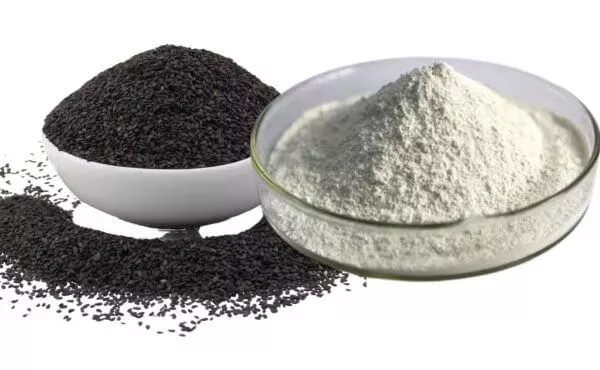
In the vast landscape of botanical extracts, some ingredients enjoy a moment in the spotlight before fading into obscurity. Others quietly accumulate scientific backing, steadily building a reputation that outlasts market trends. Sesamin—the primary lignan found in sesame seeds—belongs firmly in the second category.
Extracted from Sesamum indicum (commonly known as sesame), this compound has attracted serious attention from researchers for its unique molecular structure and its distinct mechanisms of action. Unlike many plant antioxidants that function primarily through direct free radical scavenging, sesamin operates differently. It influences lipid metabolism, supports liver health, and exhibits a synergistic relationship with other nutrients like vitamin E.
For wholesale buyers, the 20% Sesamin HPLC standard has emerged as a practical, cost-effective specification that balances potency with formulation flexibility. Understanding what makes this extract valuable—and how to source it reliably from China’s manufacturing sector—requires looking beyond the spec sheet.
What Sets Sesamin Apart
Sesamin is a lignan, a class of polyphenolic compounds that plants produce as part of their defense system. In sesame seeds, sesamin is present alongside sesamolin and other related compounds. What makes sesamin particularly interesting is its ability to modulate the activity of certain enzymes involved in fatty acid oxidation and cholesterol synthesis.
Research has shown that sesamin can inhibit delta-5 desaturase, an enzyme involved in the conversion of dihomo-gamma-linolenic acid to arachidonic acid. This pathway has implications for inflammatory response regulation. Additionally, sesamin has been studied for its hepatoprotective properties—supporting liver function by promoting healthy fat metabolism and protecting liver cells from oxidative stress.
Another distinctive feature is sesamin’s synergy with gamma-tocopherol, a form of vitamin E. Studies suggest that sesamin can increase the bioavailability of gamma-tocopherol by inhibiting its metabolism, effectively extending the antioxidant’s activity in the body. This has made sesamin a popular addition to formulations aimed at cardiovascular health, skin health, and general longevity support.
The 20% HPLC Standard: A Practical Choice
When browsing supplier catalogs, you will encounter sesamin extracts at various concentrations—5%, 10%, 20%, and occasionally 50% or higher. The 20% HPLC standardized extract has become a go-to specification for several reasons.
First, it represents a concentration that is achievable through cost-effective extraction methods. Sesame seeds contain sesamin naturally at around 0.5% to 1% by weight. Concentrating this to 20% requires careful processing, but it does not demand the more aggressive techniques—or the associated price point—that higher concentrations require.
Second, the 20% extract leaves room for complementary compounds. Unlike a purified isolate, a 20% standardized extract retains some of the other beneficial constituents found in sesame, including sesamolin and other minor lignans. For brands that value the entourage effect—the idea that whole-plant compounds work better together—this is an advantage.
Third, it offers formulation flexibility. At 20%, the extract is potent enough to allow for reasonable capsule sizes while remaining easy to work with in blends. Whether incorporated into softgels, tablets, or powdered formulas, this concentration behaves predictably.
Sourcing from China: What to Look For
China has become a significant hub for sesamin extraction, driven by the country’s established agricultural infrastructure and its expertise in botanical processing. Sesame is widely cultivated in regions with suitable climates, and the extraction industry has developed the technical capacity to produce consistent, high-quality material.
For wholesale buyers evaluating Chinese suppliers of 20% Sesamin extract, a few key considerations stand out:
Raw material traceability. Sesame seeds are a common crop, but not all are created equal. Suppliers who can trace their raw material to specific growing regions—and who test incoming seeds for purity and sesamin content—offer greater consistency. Buyers should ask whether the supplier uses black sesame, white sesame, or a blend, as varietal differences can influence the final extract profile.
Extraction and solvent use. Sesamin extraction typically involves solvent-based methods. The choice of solvent—ethanol, hexane, or supercritical CO₂—affects the final product’s purity and residual solvent profile. For brands targeting clean-label or organic markets, supercritical CO₂ extraction or ethanol-based methods are preferable, though they may carry a higher price point.
Testing and standardization. HPLC testing is the industry standard for verifying sesamin content. Reputable suppliers provide batch-specific certificates of analysis showing sesamin percentage, as well as testing for heavy metals, pesticides, and microbial contaminants. Given that sesamin is often positioned as a long-term wellness ingredient, purity cannot be compromised.
Application support. Sesamin has solubility characteristics that matter for formulation. It is lipophilic, meaning it dissolves in fats and oils. For brands developing softgel formulations—a common delivery format for sesamin—suppliers with experience in oil-based formulations can offer valuable guidance.
Market Applications and Brand Positioning
The versatility of 20% Sesamin extract makes it suitable for a range of product categories. In the dietary supplement space, it appears most frequently in:
Liver support formulas. Sesamin’s role in promoting healthy fat metabolism aligns well with liver health products, often combined with milk thistle or artichoke extract.
Cardiovascular health blends. Its influence on lipid metabolism and synergy with vitamin E make it a natural fit for heart health formulations.
Skin health and anti-aging products. The antioxidant properties and vitamin E-sparing effects appeal to brands targeting beauty-from-within consumers.
Sports nutrition. Emerging research on sesamin’s role in energy metabolism and recovery has led to its inclusion in some sports nutrition products.
For brands looking to differentiate their products, sesamin offers a story that is both scientifically credible and consumer-friendly. It is derived from a familiar source—sesame—yet it is not as widely recognized as turmeric or green tea, allowing room for educational marketing.
The Bottom Line for Wholesale Buyers
Sourcing 20% Sesamin extract from China is a straightforward process when approached with the right criteria. The key is to look beyond price and evaluate suppliers on their technical capabilities, quality systems, and willingness to provide transparent documentation.
A reliable supplier will offer:
Clear traceability of raw sesame seeds
Consistent HPLC verification of sesamin content
Comprehensive third-party testing for contaminants
Stability data to support shelf-life claims
The sesamin market continues to grow, driven by ongoing research and consumer interest in targeted, science-backed ingredients. For wholesale buyers willing to do their homework, partnering with a capable Chinese supplier can provide a reliable source of this distinctive lignan—one that offers real value to the finished products it supports.
#Sesamin #SesamumIndicum #LiverHealth #CardiovascularHealth #Lignans #BotanicalExtract #WholesaleSupplements #ChinaSupplier #CleanLabel #AntioxidantSupport
Mar 25, 2026